


Why PET Cans Are Superior for Drinks & Snacks
The Future of Fresh: Why PET Cans Are Leading the Pack
Imagine packaging that keeps snacks crisp and drinks and desserts fresh—all while being lightweight, shatterproof, and easy to transport. That’s exactly what PET cans deliver, and they’re rapidly becoming the go-to choice for food and beverage brands focused on quality, efficiency, and sustainability. Unlike traditional metal or glass containers, PET (polyethylene terephthalate) cans offer superior durability without adding extra weight—making them perfect for on-the-go consumption and high-volume distribution, especially in fast-moving markets like Cape Town and across South Africa.
These modern can solutions are engineered with advanced barrier technology, protecting contents from light, oxygen, and moisture—three key factors that degrade product freshness. Whether you're sealing craft sodas, energy drinks, yogurts, or dry snacks, PET cans maintain flavor, texture, and nutritional value far longer. Their recyclable composition also aligns with growing consumer demand for eco-conscious packaging, helping brands support circular economy goals without sacrificing performance.
In this guide, you’ll explore the core advantages of PET cans, how they integrate seamlessly with modern canning machines, and practical tips to optimize your packaging process—ensuring freshness, efficiency, and shelf appeal from production to point of sale.
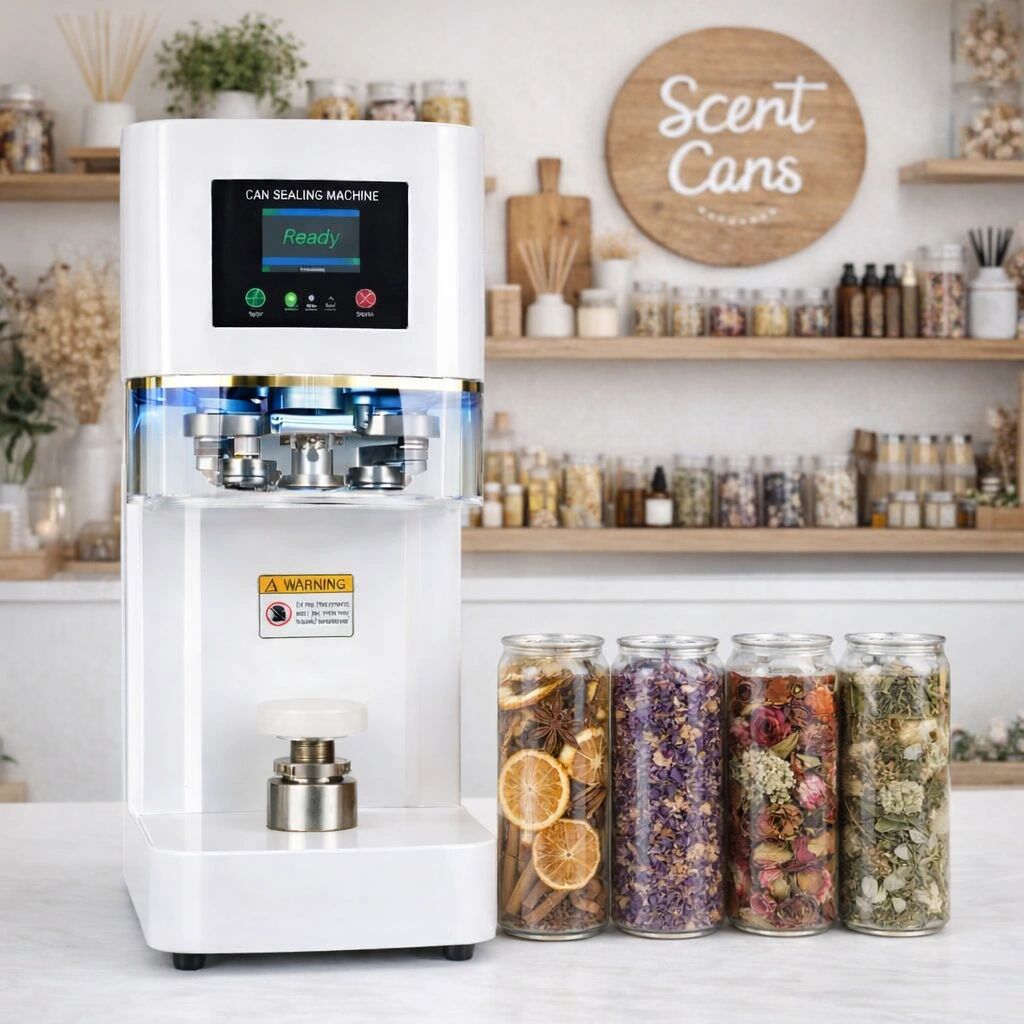
5 Reasons PET Cans Outperform Glass & Metal Containers
When evaluating packaging options for beverages and snacks, performance, safety, and sustainability are top priorities. PET cans are increasingly replacing traditional glass and metal containers—especially among producers in urban and regional markets like Cape Town and the Western Cape—thanks to a powerful combination of engineering advantages.
-
Lightweight Without Compromising Strength
PET cans are up to 60% lighter than glass and significantly lighter than metal alternatives. This reduces freight weight, lowers fuel consumption, and cuts transportation costs—especially impactful for regional distributors in South Africa. Despite their light build, they’re shatterproof and crush-resistant, minimizing product loss during shipping or at outdoor events. -
Superior Barrier Against Oxygen & UV
Unlike permeable metals or transparent glass, PET offers excellent protection from oxygen and UV light—two major causes of flavor degradation and spoilage. This extends shelf life for oxygen-sensitive drinks like cold brew coffee, kombucha, and dairy-based desserts without relying heavily on preservatives. -
100% Recyclable & Eco-Friendly Composition
Made from polyethylene terephthalate, PET is one of the most widely recycled plastics globally. In areas with growing recycling infrastructure—like Cape Town and Johannesburg—brands can support circular economy goals by using recyclable, low-impact packaging that consumers trust. -
Full-Body Customization for Brand Impact
With seamless 360° printing capabilities, PET cans offer unmatched branding visibility. Their smooth, modern surface allows vibrant colors, crisp logos, and custom shapes—perfect for craft beverage startups and snack brands aiming to stand out on retail shelves or at pop-up markets. -
Seamless Integration with Automated Filling Systems
PET cans are designed for high-speed compatibility with modern canning machines. Their uniform shape and consistent dimensions reduce downtime, improve sealing efficiency, and support scalable production—ideal for small to mid-sized producers looking to grow locally.
How PET Cans Preserve Freshness and Extend Shelf Life
In the competitive world of beverages and perishable snacks, maintaining product integrity from production to consumption is non-negotiable—especially in warm, humid climates like those across the Western Cape. PET cans are engineered to meet this challenge head-on, offering advanced protection that actively combats the key enemies of freshness: oxygen, light, and moisture. Thanks to their high-barrier construction, PET cans create an airtight seal that significantly slows oxidation, preventing spoilage in dairy-based desserts, and keeping dry snacks crisp for weeks longer than with permeable packaging alternatives.
This barrier performance means producers can reduce reliance on artificial preservatives while still ensuring a stable shelf life—ideal for clean-label brands targeting health-conscious consumers in urban markets like Cape Town and Johannesburg. The UV-resistant material further shields sensitive contents such as cold-pressed juices, plant-based yogurts, and functional beverages from degradation caused by sunlight exposure during transport and display.
To get the most out of PET can technology:
- Fill and seal products in controlled, hygienic environments to prevent early contamination
- Store finished cans in cool, shaded areas to maximize stability
- Label with clear expiration dates based on real-time shelf-life testing
With their ability to lock in flavor, texture, and nutritional value, PET cans are becoming the packaging of choice for quality-driven brands focused on freshness, safety, and sustainability across South Africa.
Eco-Smart Packaging: How PET Cans Support a Greener Future
When evaluating packaging options for drinks and snacks, environmental responsibility is no longer optional—it's expected. PET cans are emerging as a leading solution for brands aiming to reduce their ecological footprint without compromising performance. Lightweight by design, they cut down on fuel consumption during transportation, making them ideal for distribution across regions like Western Cape and throughout South Africa. Less weight means fewer emissions, directly contributing to lower carbon output across the supply chain.
One of PET’s greatest strengths is its recyclability. Unlike composite or multi-material packaging, PET is widely accepted in municipal recycling programs in urban centers such as Cape Town and Johannesburg. Once collected, it can be processed into new containers, fibers for textiles, or other food-safe packaging, supporting a true circular economy. This ease of recycling helps brands meet growing consumer demand for sustainable choices while aligning with local waste reduction initiatives.
To maximize environmental benefits:
- Use clear labeling to guide consumers on proper disposal
- Source PET cans with post-consumer recycled (PCR) content
- Partner with local recyclers to close the loop in your community
PET also outperforms glass and metal in production efficiency, requiring less energy and water to manufacture. Its durability further reduces product loss from breakage, minimizing wasted goods and packaging. For food and beverage businesses focused on sustainability, switching to PET cans is a practical, scalable step toward greener operations—without sacrificing shelf appeal or freshness.
Common Concerns About PET Can Safety, Strength, and Sustainability
Are PET cans safe for storing food and drinks?
Yes, PET (polyethylene terephthalate) is a widely recognized food-grade plastic, engineered specifically for direct contact with consumables. Its inert chemical structure ensures it won’t leach harmful substances, even under temperature fluctuations—making it ideal for beverages, dairy products, and packaged snacks. This safety profile is trusted in commercial kitchens and retail operations across South Africa, including mobile vendors in Cape Town and urban food hubs in Johannesburg.
Do PET cans break easily like glass?
No—PET cans are shatterproof and highly impact-resistant. They won’t crack or splinter during transport or at outdoor events, making them a safer, more reliable choice for festivals, beachside vendors, and high-traffic retail zones in the Western Cape and beyond.
Can PET cans be reused or refilled safely?
While single-use is recommended for food safety, reusable PET containers—when properly sterilized—can support closed-loop systems in controlled environments. For most commercial applications, a one-way recyclable model ensures hygiene and compliance with food handling standards.
How recyclable are PET cans in South African communities?
PET is among the most recycled plastics in the country, with recovery networks active in major cities and municipalities. Consumers can dispose of them in curbside bins or drop-off points, where they enter regional recycling streams and are reprocessed into new packaging or materials.
Do PET cans protect snacks as well as liquids?
Absolutely. When sealed with compatible canning equipment, PET cans create an airtight barrier that locks in crispness and prevents moisture ingress—ideal for nuts, chips, and dried snacks sold at cafes or convenience stores.
Is PET packaging compliant with local environmental regulations?
Yes, PET aligns with South Africa’s extended producer responsibility (EPR) guidelines. Its lightweight design reduces transport emissions, while its recyclability supports waste reduction targets in urban and peri-urban distribution networks.
Making the Smart Move to Modern Packaging
Switching to PET can packaging isn’t just an operational upgrade—it’s a strategic decision that delivers measurable benefits across cost, sustainability, and product quality. As demonstrated, PET cans outperform traditional glass and metal alternatives in durability, shelf-life extension, and transport efficiency—critical factors for beverage and snack producers across South Africa, particularly in high-traffic regions like Cape Town and the Western Cape. With resistance to shattering, UV exposure, and oxygen permeation, PET ensures your products arrive in the same condition they left the production line: fresh, flavorful, and market-ready.
For businesses leveraging on-site canning machines, PET integration is seamless, supporting fast filling, airtight sealing, and full customization for brand visibility. The lightweight design reduces shipping costs and carbon footprint, while recyclability aligns with growing consumer expectations for eco-smart choices in urban and rural markets alike.
The shift to PET isn’t about keeping up—it’s about staying ahead. By modernizing your packaging strategy, you enhance freshness, reduce waste, and position your brand as forward-thinking and customer-focused. Now’s the time to invest in smarter, more sustainable solutions that deliver real-world results today and scale with your success tomorrow.


